Top Benefits of Picking Light Weight Aluminum Shop Parts for Industrial Applications
Light weight aluminum factory parts present several advantages for commercial applications. Their light-weight yet durable nature improves performance in managing and setup. In addition, light weight aluminum's remarkable corrosion resistance adds to its resilience, which is crucial for decreasing maintenance costs with time. With its versatile style abilities and outstanding machinability, light weight aluminum allows for the production of tailored components. Aluminum Casting Company. These characteristics make light weight aluminum an engaging choice, yet the discussion doesn't end below. There are extra advantages worth exploring
Lightweight Yet Solid: The Advantage of Light weight aluminum
Light weight aluminum, a metal renowned for its remarkable strength-to-weight proportion, provides considerable benefits in commercial applications. Its lightweight nature allows suppliers to create parts that are easier to deal with, transport, and mount, ultimately lowering labor costs and boosting efficiency. This particular is particularly useful in markets such as aerospace and vehicle, where weight decrease can result in improved fuel effectiveness and efficiency.
Rust Resistance: A Key Advantage for Durability
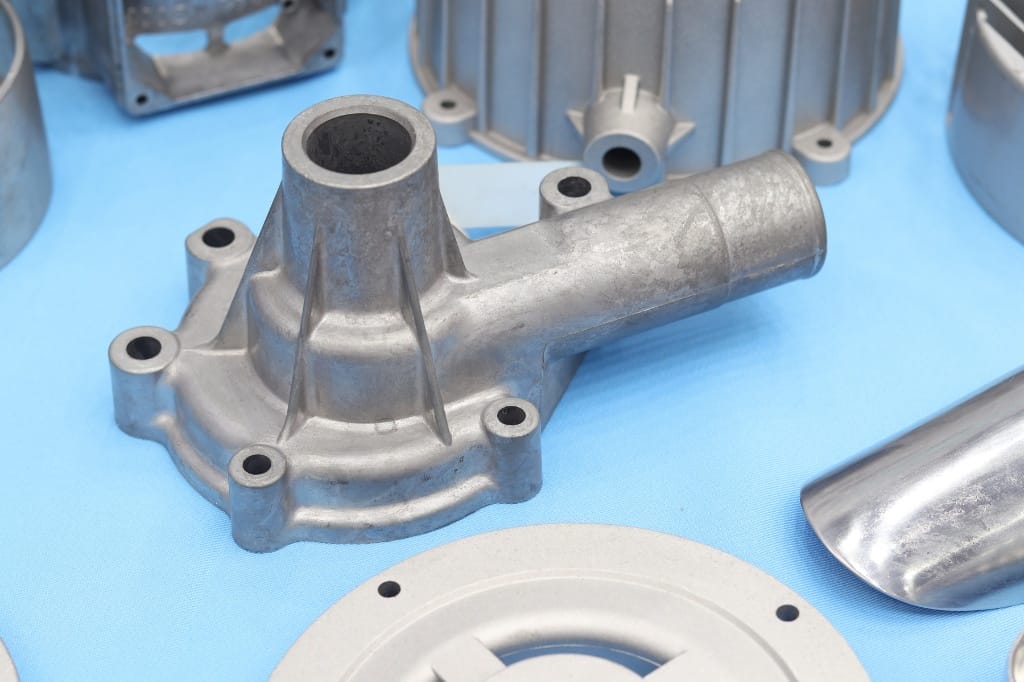
Among the standout buildings of light weight aluminum is its extraordinary rust resistance, which substantially adds to the longevity of components made from this steel. This fundamental capacity to stand up to oxidation and deterioration enables aluminum foundry parts to perform reliably in numerous industrial environments, including those exposed to wetness, chemicals, and severe temperatures. Unlike various other steels that may catch corrosion or rust over time, light weight aluminum forms a safety oxide layer that shields it from ecological aspects. This feature not just expands the life expectancy of components yet also decreases the demand for regular maintenance or substitute. Industries such as aerospace, vehicle, and marine especially gain from aluminum's durability, ensuring that parts maintain integrity and efficiency over extended periods. As a result, selecting light weight aluminum factory parts can result in boosted operational effectiveness and minimized downtime, making them an excellent choice for demanding industrial applications.
Cost-Effectiveness: Lowering Total Production Costs
While many elements add to the overall efficiency of manufacturing processes, the cost-effectiveness of light weight aluminum foundry parts attracts attention as a significant benefit. Light weight aluminum's lightweight nature decreases transport expenses and energy consumption throughout manufacturing. Furthermore, its exceptional machinability permits quicker processing times, reducing labor costs and improving performance.
Additionally, aluminum foundry components typically exhibit lower product costs contrasted to other steels, making them an economically sensible selection for suppliers. The longevity of light weight aluminum likewise adds to long-term financial savings, as components require less regular replacement and maintenance.
Furthermore, the recyclability of light weight aluminum can cause lowered garbage disposal expenses and promote sustainability efforts, even more improving its allure. By incorporating light weight aluminum factory parts into their operations, companies can accomplish substantial decreases in overall manufacturing expenditures, inevitably resulting in better earnings margins and affordable advantage in the commercial market.
Adaptability in Design: Tailoring Components to Certain Demands
A remarkable element of light weight aluminum factory parts is their flexibility in style, permitting suppliers to customize parts to fulfill particular functional demands. This versatility originates from light weight aluminum's malleability and lightweight nature, enabling intricate forms and layouts that can be customized for varied applications. Whether for automotive, aerospace, or commercial equipment, aluminum shop parts can be crafted to fit special specs, ensuring ideal efficiency and functionality.
Advanced spreading strategies help with the production of intricate geometries that conventional products might struggle to attain. This ability makes it possible for designers to introduce and improve product styles without being constricted by product limitations. In addition, light weight aluminum's compatibility with numerous finishes and surfaces even more boosts its design versatility, enabling visual and functional enhancements tailored to operational demands or certain atmospheres. Consequently, manufacturers gain from a customized strategy that satisfies both efficiency and design needs, making light weight aluminum foundry components a preferred choice in various industrial applications.
Enhanced Thermal Conductivity: Improving Efficiency
The boosted thermal conductivity of aluminum foundry components significantly adds to improving efficiency throughout various industrial applications. Light weight aluminum's capability to carry out heat successfully permits fast warm dissipation, which is vital in circumstances requiring temperature level guideline, such as in warmth exchangers and engine elements. This particular decreases thermal stress, prolonging the life-span of components and lowering upkeep expenses.
In addition, enhanced thermal conductivity facilitates quicker home heating and cooling down cycles, enhancing energy use. Because of this, procedures come to be a lot more efficient, bring about lowered operational costs and boosted productivity. Industries such as automobile, aerospace, and electronics profit considerably from these residential or commercial properties, as they require products that can endure and take care of heat properly.
Eco-Friendly Choice: Sustainability in Manufacturing
Sustainability in manufacturing has actually come to be an important focus in today's commercial landscape, and aluminum foundry parts stand apart as an environmentally friendly selection. Using light weight aluminum is inherently sustainable because of its recyclable nature; it can be recycled repetitively without loss of top quality. This attribute notably over here reduces the demand for new raw materials, thus saving natural sources.
Moreover, the manufacturing of aluminum components generally generates fewer greenhouse gas discharges compared to various other metals, making it a greener choice for producers. The light-weight nature of light weight aluminum additionally adds to power cost savings in transport and application, as lighter components require less power see this website to relocate and run successfully.
In enhancement, lots of aluminum factories are progressively embracing sustainable techniques, such as utilizing eco-friendly power sources and lessening waste. On the whole, selecting aluminum shop parts aligns with the growing focus on environmentally friendly production, promoting a much more lasting industrial future.
Easy Machinability: Simplifying Manufacturing Procedures
The very easy machinability of aluminum shop components substantially enhances tooling efficiency in industrial applications. This quality not only reduces production time however likewise enables for making use of versatile machining strategies. Consequently, producers can improve their procedures while preserving high-grade output.
Enhanced Tooling Effectiveness
Boosted tooling efficiency is vital for enhancing manufacturing processes in aluminum foundries. The lightweight nature of light weight aluminum substantially adds to its machinability, permitting faster and much more specific reducing procedures. This ease of machining lessens tool wear and decreases the total stress on equipment, enabling longer device life and constant quality in production. Additionally, aluminum's desirable thermal conductivity aids in dissipating warmth during machining, which can enhance tool performance. The streamlined arrangement processes connected with light weight aluminum parts lead to quicker modifications and minimized downtime, thus simplifying operations. By leveraging these features, makers can accomplish higher efficiency degrees while preserving strict high quality requirements in their manufacturing lines, eventually promoting a lot more efficient procedures within the shop setting.
Lowered Manufacturing Time
While the machinability of aluminum substantially adds to lowered production time, its characteristics prolong beyond plain convenience of fabrication. The light-weight nature of light weight aluminum allows for quicker handling and transport during the manufacturing procedure, which improves operations. Additionally, aluminum's superb thermal conductivity helps with faster cooling times throughout spreading and machining, increasing the total manufacturing cycle. Its resistance to rust suggests much less downtime for maintenance, enabling constant production runs. Furthermore, the capacity to achieve tight tolerances with marginal initiative causes less versions and remodels, additionally improving effectiveness. Entirely, these aspects setting aluminum as a product that not just simplifies production processes however additionally considerably reduces lead times, guaranteeing timely delivery of parts in commercial applications.
Versatile Machining Techniques
Light weight aluminum's easy machinability enables a selection of flexible machining strategies that greatly streamline production procedures. This product can be quickly cut, formed, and formed utilizing methods such as CNC machining, milling, and turning. These strategies make it possible for manufacturers to achieve tight resistances and detailed styles with very little effort. Furthermore, light weight aluminum's lightweight nature decreases the endure cutting tools, enabling longer tool life and lowered upkeep expenses. The capacity to promptly adapt to different designs further enhances manufacturing efficiency, making light weight aluminum an excellent option for sectors needing quick prototyping and personalization. Generally, the range of machining alternatives available for light weight aluminum shop components not only streamlines procedures yet likewise adds to cost-effective manufacturing options.
Often Asked Inquiries
Exactly How Does Light weight aluminum Contrast to Other Metals in Factory Applications?
Aluminum is lighter and more corrosion-resistant than lots of steels, making it useful for foundry applications. Its outstanding thermal conductivity and simplicity of casting likewise add to its appeal over conventional materials like steel or iron.
What Industries Benefit The Majority Of From Aluminum Shop Parts?
The automotive, aerospace, and electronic devices sectors benefit considerably from aluminum foundry components. Their light-weight, corrosion-resistant residential properties boost effectiveness and performance, making light weight aluminum an ideal choice for components requiring longevity and accuracy sought after applications.
Are Light Weight Aluminum Shop Components Recyclable?
Light weight aluminum factory parts are undoubtedly recyclable. They can be melted down and repurposed, making light weight aluminum a lasting option in manufacturing. Aluminum Foundry. This recycling procedure advantages the setting by lowering waste and conserving natural deposits
Just How Do Light Weight Aluminum Foundry Parts Deal With High Temperature Levels?
Light weight aluminum factory components display excellent thermal resistance, enabling them to stand up to high temperature levels without considerable deformation. Their lightweight nature and thermal conductivity further enhance performance, making them appropriate for requiring commercial environments and applications needing warm strength.
What Surface Treatments Are Available for Light Weight Aluminum Shop Elements?
Light weight aluminum shop parts can undertake numerous surface treatments, including anodizing, powder covering, and chromate conversion. These treatments enhance rust resistance, enhance wear homes, and supply aesthetic finishes, thereby increasing the total efficiency and longevity of the components.
Light weight aluminum shop parts present a number of advantages for commercial applications. An impressive element of aluminum shop parts is their convenience in design, allowing suppliers to customize elements to fulfill particular operational demands. Aluminum Foundry. The improved thermal conductivity of aluminum shop parts Visit This Link greatly contributes to enhancing efficiency throughout various commercial applications. Sustainability in production has actually come to be a critical emphasis in today's industrial landscape, and aluminum factory components stand out as an eco-friendly selection. The very easy machinability of aluminum shop parts substantially enhances tooling effectiveness in commercial applications